
This engine uses information from publicly sourced sites (such as Wikipedia) with the aim of increasing traditional results and improving relevance. Its philosophy emphasizes privacy and not registering user information. Discover how to use a darkweb search engine safely while enhancing your online privacy and security.
Legal And Ethical Use Cases

However, while using the black web for browsing won’t get you into trouble with the law, doing illegal things would. For instance, it is against the law to buy narcotics or weapons on the dark web, and you risk legal repercussions. We strive to deliver high-quality, well-researched, and engaging content that is accessible to all levels of expertise. Our team of experienced writers, industry professionals, and technology enthusiasts are passionate about sharing their knowledge and expertise with you. With all of that in mind, you need to tread carefully when browsing, in terms of the sites you visit and the other users you interact with.

What Risks Come With Using Unfiltered Dark Web Search Engines Like Torch?
Like the other dark web search engines, Candle doesn’t track user activity or store data, giving users peace of mind about their online activities and anonymity. Want to explore the depths of the dark web but don’t know where to begin? Keep reading to learn about the top dark web search engines and how to use them to more safely navigate the dark web.
The site started as a fork of the ahmia search engine, this will remain a central part of the site. At the moment they are making minor improvements to the search engine and working on the Beta version of their new link directory. It is a tool for those looking for onion sites and also to find onion sites. Although the site is still continually expanding and improving, it has become a significant resource on the Tor network. DuckDuckGo is a search engine located in Valley Forge, Pennsylvania, United States.
- These addresses are long, random strings of characters, and they change often.
- Fire up Tor, choose your engine, verify your .onion links, and dive in—just keep your digital armor on.
- These tactics trick users into revealing sensitive information or paying for non-existent products.
- Of course, any links and results will not be openable unless you have the Tor browser installed on your computer.
Best Dark Web Search Engines In 2025
Ahmia can even be accessed through regular web browsers to find “.onion” addresses, although a dark web browser like Tor is still required to access them. The Internet we interact with daily represents only a fraction of the vast content available online. Beneath the surface lies the deep web, a realm of unindexed content, and within it, the dark web.
Navigating Results Safely
Bear in mind too that laws about freedom of speech and censorship vary from country to country, which is part of the reason the dark web exists in the first place. Sections of the dark web are often closed down too, as part of police operations. Individual sites on the dark web look much like they do on the regular web, though a lot of them are a bit more rough around the edges. (Presentation and polish isn’t quite so important on this part of the internet.) Click on any website link, and it’ll appear on screen, with its address at the top. Therefore, you should understand the legal risks of accessing the dark web before you venture into this murky world.
Can You Access The Dark Web With A VPN?

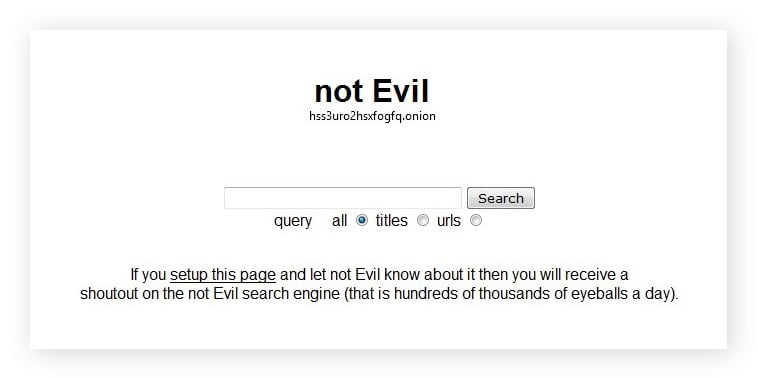
Other options include Ahmia and NotEvil, which focus on listing .onion links. It will offer you an additional layer of encryption to access the deep parts of the internet. With the right precautions and tools, you can access the dark web more safely.
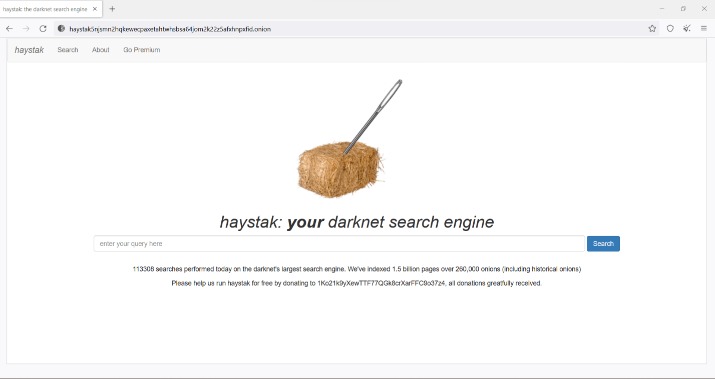
The deep web consists of anything online not indexed by standard search engines, such as personal email accounts, online banking, private databases, and subscription-only content. While the deep web is hidden from public view, it is not inherently malicious and is used daily by individuals and organizations to protect sensitive information. Searching on the dark web isn’t quite like typing a query into Google. This makes comprehensive indexing—something Google excels at—almost impossible on the dark web. Like most dark web search engines, Phobos avoids tracking and does not log personal information. It provides a straightforward experience that aligns with the principles of anonymity and security on the dark web.
- The internet’s favorite alternative to Google made a name for itself by not logging your search activity yet still providing decent results.
- It offers a clean and straightforward interface, making it easy for you to search hidden services without unnecessary distractions.
- Repressive countries have frequently targeted the social media behemoth for censorship.
- Decrypting the data involves peeling back layer upon layer of encryption, hence the “onion” analogy.
- Dark web search engines usually don’t track web activity or log your search history.
How To Safely Access And Use Deep Web Search Engines
Sites are often shut down and backed up as admins try to avoid being caught. But while anonymous email services can help protect your identity, they don’t make you immune to threats like email spoofing or social engineering. And it’s still essential to use strong passwords and two-factor authentication (2FA) to help keep your account secure.
Web Address:-
This focus on privacy makes it the Tor Browser’s default search engine and one of the best onion search engines. Onion sites (aka Tor sites) are websites only accessible on the dark web; you can’t view them using a regular browser. Their URLs (aka dark web links) have .onion as the domain, instead of the common surface web domains like .com or .net. Discover how to safely use a dark web search engine for exploring the hidden internet.
PRIVACY ALERT: Websites You Visit Can Find Out Who You Are
It’s important to note that while the dark web can be used for legitimate purposes, such as protecting the privacy of activists and journalists, it can also host illegal activities. Therefore, caution and awareness of legal implications are paramount when accessing it. Ahmia is a specialty search engine specifically created to index .onion websites on the Tor network, making it an indispensable tool for anyone who wants to explore the Deep Web. You’ll need the Tor browser to open some of Ahmia’s provided links in order to use it efficiently. Taking this extra precaution is essential for protecting privacy and securely accessing content.
The search engine crawls and indexes onion sites every day, and it has one of the largest numbers of onion search results. It also loads pretty fast, and the interface is reminiscent of Google’s, making it feel familiar. Owing to its large search library, Torch is probably the best search engine for exploring the dark web.